
If you have worked with our family before, you will likely know that we don’t like to always follow the status quo. We like to question the way things are done, and in particular if they are the best fit for Aysh.
This is a big part of why we established Team Aysh. But it is also why the way we operate looks very different from other services you might see in the community.
This is mostly because we are not just “keeping him busy” or filling his time, we are genuinely building a life – a life where he is happy, healthy, safe and well connected within his community. One way we do this is to reflect on his activities to consider whether they are “community tourism” or genuine “community participation”.
So what is the difference?
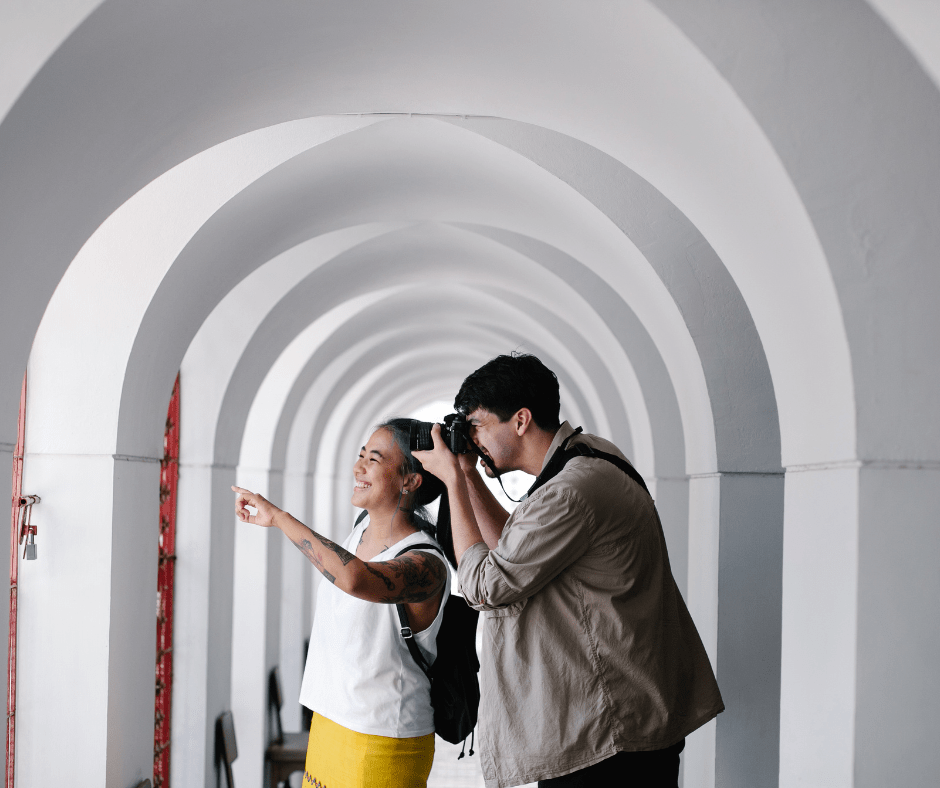
Community tourism is what we see most often in disability services. It is people with disability being taken to places in the community to watch or observe. Think about this like going on a holiday – you sightsee, take photos, maybe see a movie; and then you move on. Community tourism is surface level community access. It doesn’t build a community around an individual or support them to have a meaningful life.
In contrast, compare this to community participation. Unlike ‘tourism’, participation means that you actually join existing activities, alongside other community members, and become a part of a group. It is more like when you move to a new town and, rather than just going to watch the game of football, you join the team or volunteer in the canteen. It is this participation that gives us a sense of belonging, helps us connect with others and to grow friendships.
Recently, Aysh joined a gardening group. It is not a disability-specific group, but a group for members of the community who are interested in gardening and landscaping. The group meets monthly and Aysh is included and welcomed when he attends.
In the next couple of weeks, Aysh will begin a volunteering role at a local community op-shop. He loves the vibe of op-shops and enjoys visiting them, so becoming a volunteer was a natural extension of this – and a way to move from ‘tourism’ to ‘participation’.
While Aysh enjoys a walk on the beach, a movie or a visit to the bowling alley, we hope that eventually he will have a network of friends and other community members that he can invite to join him with these activities – just like any other young person finding his place in the world.
If he is just a ‘tourist’, he will miss opportunities for friendship and only ever be an observer. And we all want more than that out of life.
